
Organic wine: what it is and the benefits of producing it
We had the chance to talk with Alberto Cecchin, a fourth-generation organic wine producer in Argentina. We'll tell you about the benefits of organic production compared with conventional production.…
February 13, 2023
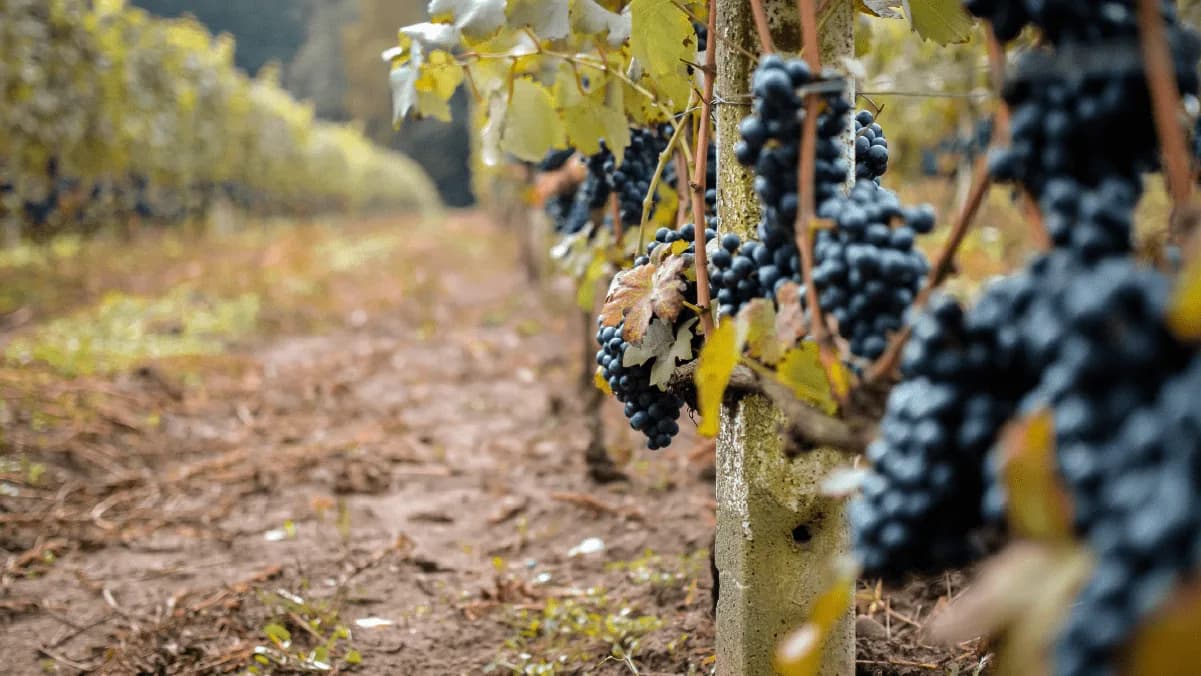
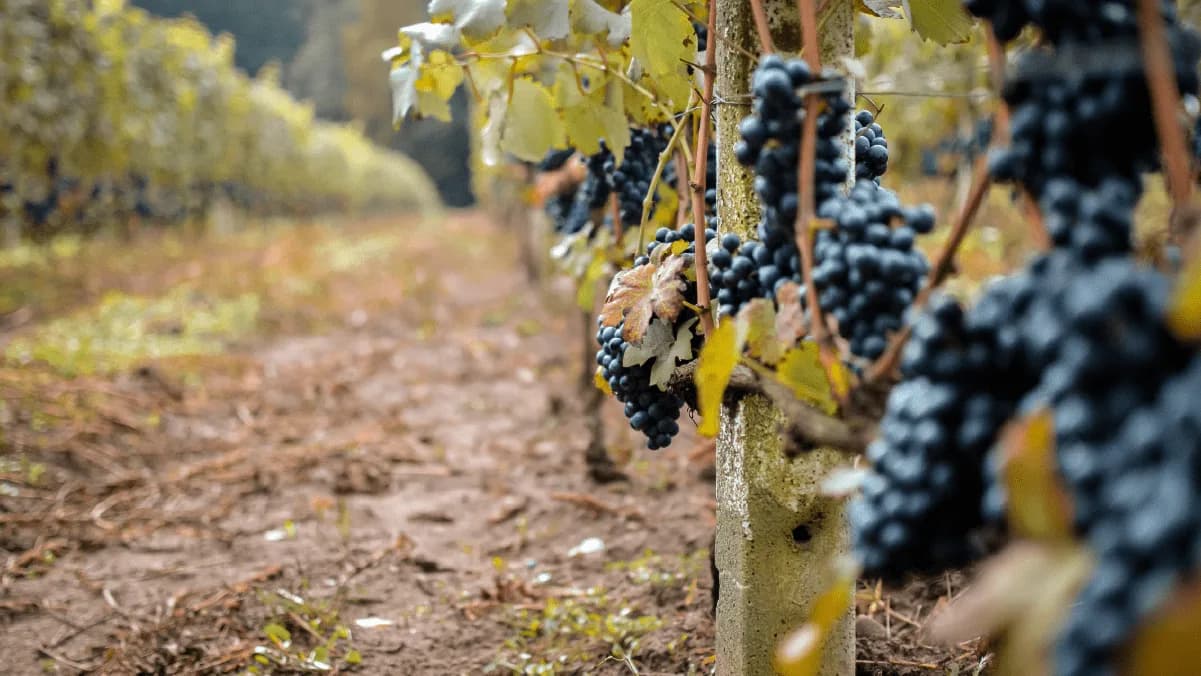
We had the chance to talk with Alberto Cecchin, a fourth-generation organic wine producer in Argentina.
We'll tell you about the benefits of organic production compared with conventional production.
What is organic wine?
Organic wine is wine produced with a focus on sustainability. It's wine made without chemicals during winemaking, from vines that have not received such additives to “improve” their yield either.
What are the benefits of producing organic wine?
The first thing you notice is the care for and preservation of the environmental balance. It's like letting nature follow its own cycle. This way, soils regenerate on their own, becoming increasingly fertile at a low cost.
But the benefits are also noticeable for consumers. The downsides of consuming products grown with chemical fertilizers are well known, and on top of that, wine has another additive: sulfur dioxide, also known as sulfite.
Sulfites can trigger allergies and migraines in sensitive people, which is why it is mandatory to state the sulfite content on wine bottle labels.
How is organic production carried out?
Many may think it's a difficult system to manage, but the reality is different. You just need to be careful with the soil's natural processes. The land on its own already has what it needs to produce.
“Let's not forget the microfauna in the soil: fungi, bacteria, enzymes and yeasts that are needed to break down organic matter.”
But where does the soil get the nutrients it needs to stay fertile?
The answer is simple: through a cycle of organic matter decomposition.
The land needs water and sun so the plant can carry out photosynthesis, and then macro- and micronutrients, which it gets from the leaves and small branches that fall to the ground. This is where the soil's own enzymes and bacteria come in, breaking down that organic matter and making the nutrients available for the soil to absorb.
Not all countries have the same rules for considering a wine organic
In the United States, for a wine to be considered organic, it must have USDA certification. This means that sulfur dioxide cannot be used either on the grapes or in the winemaking process. Bodega Familia Cecchin was the first winery to receive this certification in Argentina.
These regulations differ in Europe and Argentina, where up to 100 ppm of free sulfur dioxide is allowed in the winemaking process.
Is organic wine the same as wine made from organic grapes?
No, it isn't. Wine made from organic grapes may involve the use of chemicals during winemaking. Organic wine, on the other hand, must follow organic processes throughout, both in growing the grapes and in making the wine.
You may also like: Regenerative agriculture: what it is and why it matters
Is it more expensive to produce organic wine than conventional wine?
At first, producing organic wine may seem more expensive, since it requires more labor.
However, keep in mind that demand for organic wine has grown worldwide in recent years and that this demand exceeds the number of organic producers. Organic production is estimated to fetch around 20% more than conventional production.
So costs are relative. While conventional production delivers higher yields, it is paid at a lower price, partly because there is so much supply. Organic production has somewhat lower yields, but it is better paid and in higher demand.
If you want to connect with other organic producers in Argentina, visit the Agrojusto Marketplace
Conclusion
Organic production is clearly being promoted more and more around the world, and this also applies to organic wine production.
We propose a paradigm shift: why do we still call production that relies on agrochemicals “traditional”? Shouldn't traditional production be the kind that has been practiced for thousands of years and respects the environment and the health of people and animals?
Let's choose to be conscious consumers and make organic production the norm, not something extraordinary or hard to achieve.