
How to tell your business's story: the value of storytelling
Behind every venture, business and product there's a captivating story. Did you know that telling it well could benefit you enormously? Find out in this article how to tell your business's story to win customers and make the impact you want on your…
February 10, 2022
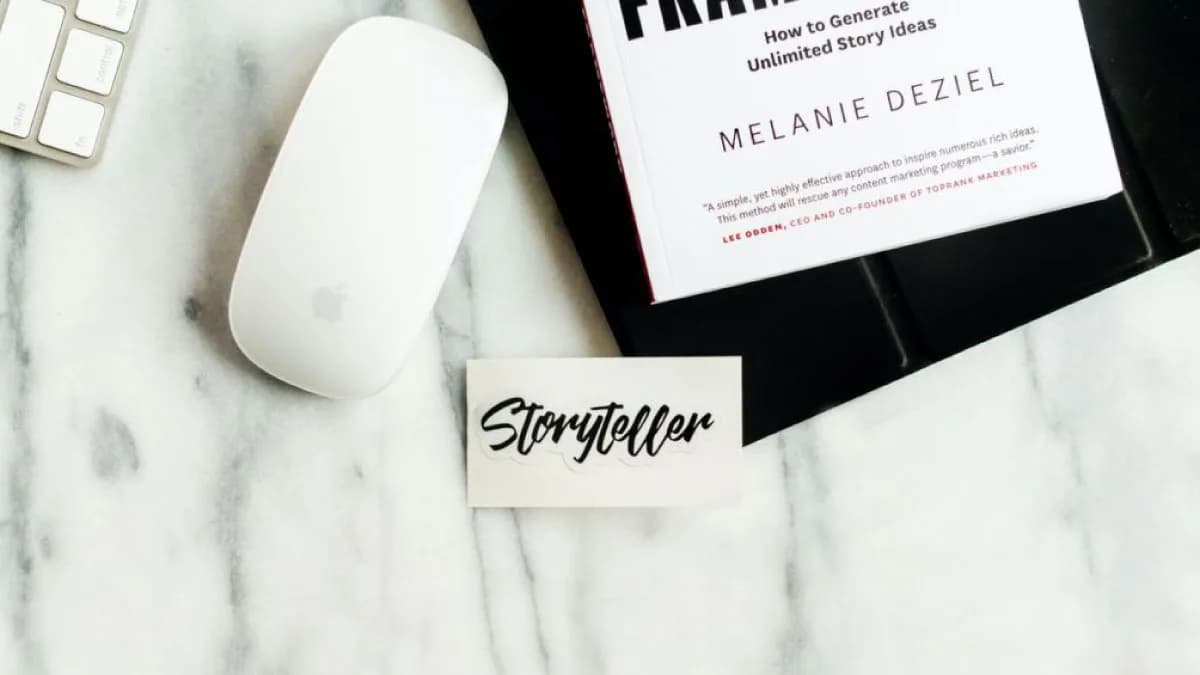
Behind every venture, business and product there's a captivating story. Did you know that telling it well could benefit you enormously? Find out in this article how to tell your business's story to win customers and make the impact you want on your audience.
You probably remember how much you loved hearing stories and fairy tales as a child. How many times did you identify with the hero or with one of the characters? Countless times, right? Well, we have some good news for you: stories still captivate children and adults alike, so you can use them in your business or brand to spark unforgettable emotions and feelings.
Keep reading—we'll show you how to create the story of your business or your products.
What is the art of storytelling?
The art of storytelling is a technique that's part of a marketing strategy. It's about telling the story of a brand, business or product in a captivating way to build empathy with consumers and get them to identify with your brand or your values.
We invite you to write about how your business or venture began, how you felt at the start, what your journey as an entrepreneur was like, and so on. In other words, tell everything you went through—all of it true—so consumers learn the story behind the products you sell and the hard work of the people behind them.
Telling your business's story is a unique, deeply emotional experience—something consumers value highly.
What should you keep in mind when telling the story of a business or product?
Let's go over what you need to tell your business's story. Don't worry, you don't need to be a professional writer; you just need to express emotions, and with these tips you'll do it perfectly.
- Build your message: The foundation of storytelling is the story and the message. Think clearly about what you want to communicate and jot down the emotions or feelings that come to mind. Put the story together as if it were a tale: introduction, plot and resolution.
- Use people or characters: Your story needs a protagonist, and perhaps an antagonist or enemy as well (they can be people or external factors—for grapes, for example, hail can be a villain). You'll see that once you start taking notes, you'll easily identify them.
- Conflict: Present a problem and then its resolution. Conflict sparks the audience's interest, and as the story unfolds, people begin to empathize with the protagonist.
- An ending with a lesson: Stories usually tell the “nice” part, but it's also important to share “the effort and the stumbles.” People connect with any story that takes them back to a situation of their own or something they've lived through. Close your story with what you learned or what you think will help your audience.
Rules of storytelling
- When you think about your business or the product you sell, related memories and stories will come to mind. Choose only what you want to tell. Always stick to the truth, to experiences that really happened to you. If you tell made-up stories, you won't reach the hearts of your target audience.
- Empathy is key in the art of storytelling. If the audience identifies with your story, it will be effective.
- Being authentic is essential. Don't lie or exaggerate situations in your narrative.
- Put emphasis on words and images. Your audience should get your message, both in the text and in the image or photo you choose to go with it.
- Be humble and tell your story clearly and concisely. Don't drag the story out or over-embellish it. Keep it simple and use everyday words.
Successful storytelling comes down to the simplicity of communicating messages effectively.
As you can see, the art of storytelling can benefit your business and your sales. It's an effective technique when used well and, of course, when the story is true.
Ready to get started? Yes, today: write something and let someone close to you read it. Watch their reactions and take their feedback into account. The more you write, the better your storytelling will become.