
How to create a satisfying shopping experience
Whatever the size of your business, it's always key to know what customers are looking for and need in order to create a perfect shopping experience from start to finish. It's worth clarifying that customer experience is about understanding how satisfied…
August 24, 2022

Whatever the size of your business, it's always key to know what customers are looking for and need in order to create a perfect shopping experience from start to finish.
It's worth clarifying that customer experience is about understanding how satisfied people are when they interact with the products in your online store.
It's been shown that businesses that care about and pay attention to the shopping experience tend to grow by almost 20% year over year.
What the shopping experience is
The shopping experience covers all the feelings and perceptions customers have from the moment they visit an online store until they buy the product they want. It determines whether or not they'll come back to buy from that store in the near future.
Creating a satisfying shopping experience is possible, but it requires taking care of and defining in advance certain aspects we'll go over below.
What to keep in mind to improve the shopping experience
An online store should be designed so users can browse comfortably and find what they need instantly or at their own pace. It should be dynamic and functional. Keep in mind that some users are short on time and want to buy right away, while others first want to get to know you, take a close look at the products, and then make a purchase.
To deliver a satisfying shopping experience, keep all these aspects in mind.
Access to all product information
In the case of online healthy food stores, people may take more time to look at product features. In that case, having very complete descriptions along with good-quality photos makes a huge difference.
Don't think it's hard to take good photos: you can use your phone and shoot the same product from different angles.

Quick answers to questions
Who likes to wait when they're eager to get a product? Your customers don't either, obviously.
You need to think strategically and be very clear about the information you share. It all depends on the channels you list in your online store for users to reach you with questions. Usually, email or WhatsApp is used to receive questions and reply quickly but accurately.
You might also like: WhatsApp Business: what it is and how to use it to sell food
Define your communication channels
As we mentioned, the channels your customers use to reach you will be the ones you list in your online store: email, WhatsApp, social media, etc. Yes, that's a lot of channels, so you'll need to specify, or only display, where to write with questions, where to send complaints, and so on.
Many consumers (especially in the food sector) were used to asking questions and placing orders via WhatsApp or Instagram. Today, with an online store where transactions take place, you can simply use your phone and social media to advise customers. And if someone asks a question and wants to buy, you send them the product link that goes straight to your store.
Everything is simpler and more professional, for buyers and sellers alike.
Logistics: on-time, as-promised deliveries
According to CACE (the Argentine Chamber of E-Commerce), home delivery became consumers' preferred option after 2020. That said, customers may well be willing to pay more, or buy a certain number of products to get free shipping, as long as they receive their orders on time and as promised.
If you offer home delivery, hire a logistics company you know will actually deliver as promised. Keep in mind that otherwise, this could cost you customers and their trust for good.
Any information detailing how logistics work, plus letting users choose the day and time they want to receive their order at home, is a plus for your online store. This kind of information is one of the things customers look at most right before buying.
HTTPS URL
HTTPS relies on an SSL security certificate that makes users feel confident when making a transaction or purchase on a website. This protocol encrypts and protects data.
The closed padlock icon before the URL is synonymous with protection, and Google loves it too: it tends not to rank insecure sites whose URLs start with just HTTP (without the “s” at the end)
Part of the shopping experience is users feeling confident entering their details, especially if they have to provide bank or payment information.
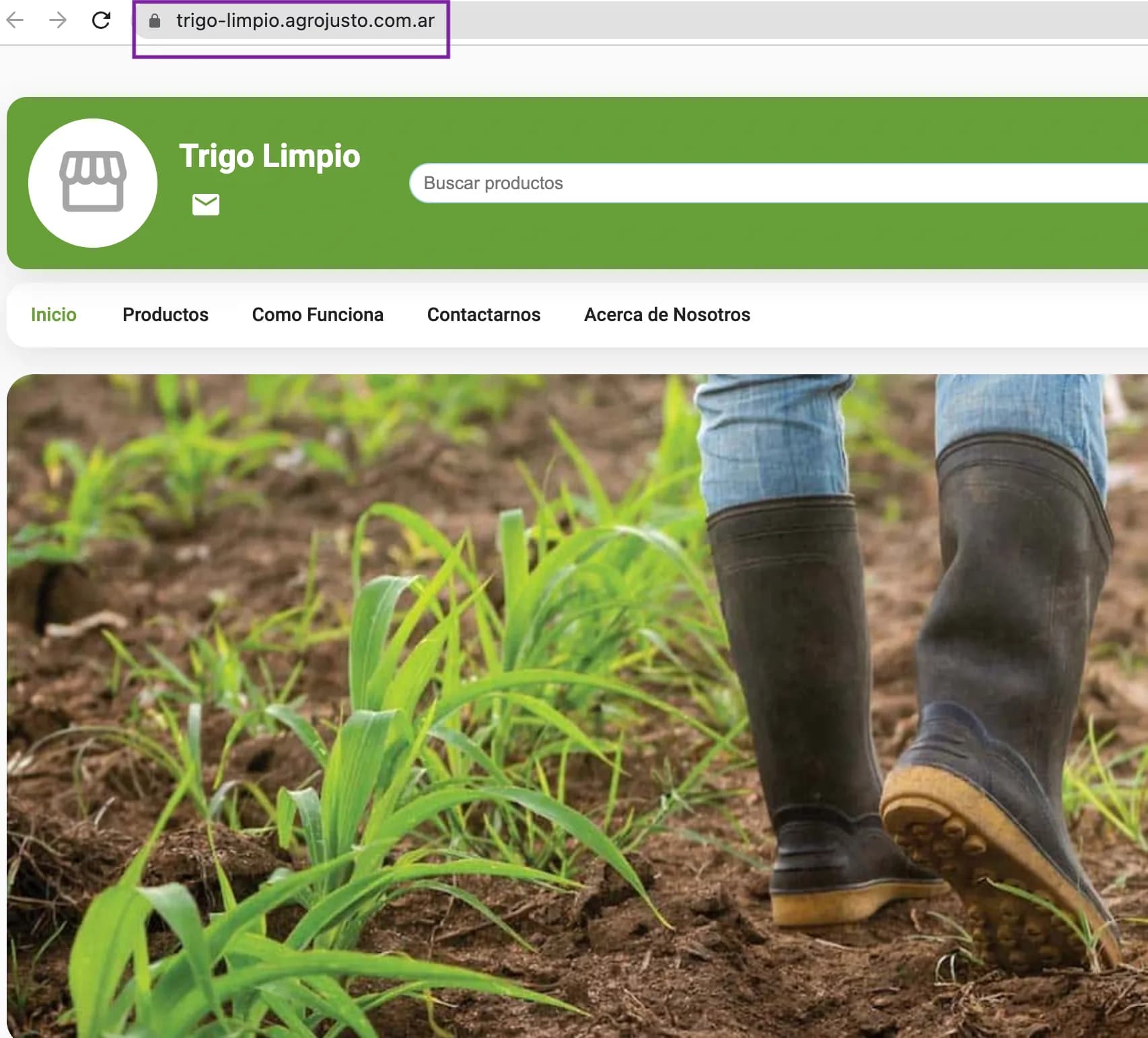
Healthy online store on Agrojusto with HTTPS.
Conclusion on the shopping experience
For a shopping experience to be successful, you need to know your target audience. And not only define the points above, but also make sure the people running the business always respond in the brand's tone and empathize with the consumer. Users notice good energy.
Meeting customer expectations isn't easy, but it's entirely possible. It takes a lot of organizational work and the right actions.
If you want better reviews or ratings, work on getting to know your customers and don't neglect those who have been buying from you for years. They're key to this whole process and will tell you what to improve or change.