
Crop stress: what it is and how to reduce its impact
We recently had a great talk about crop stress with Juan Pablo Caballero and Pablo Rubio from Wayne Agro, a company that develops and sells bio-inputs. Below you'll find a summary and, in case you missed it, the full webinar…
September 7, 2022
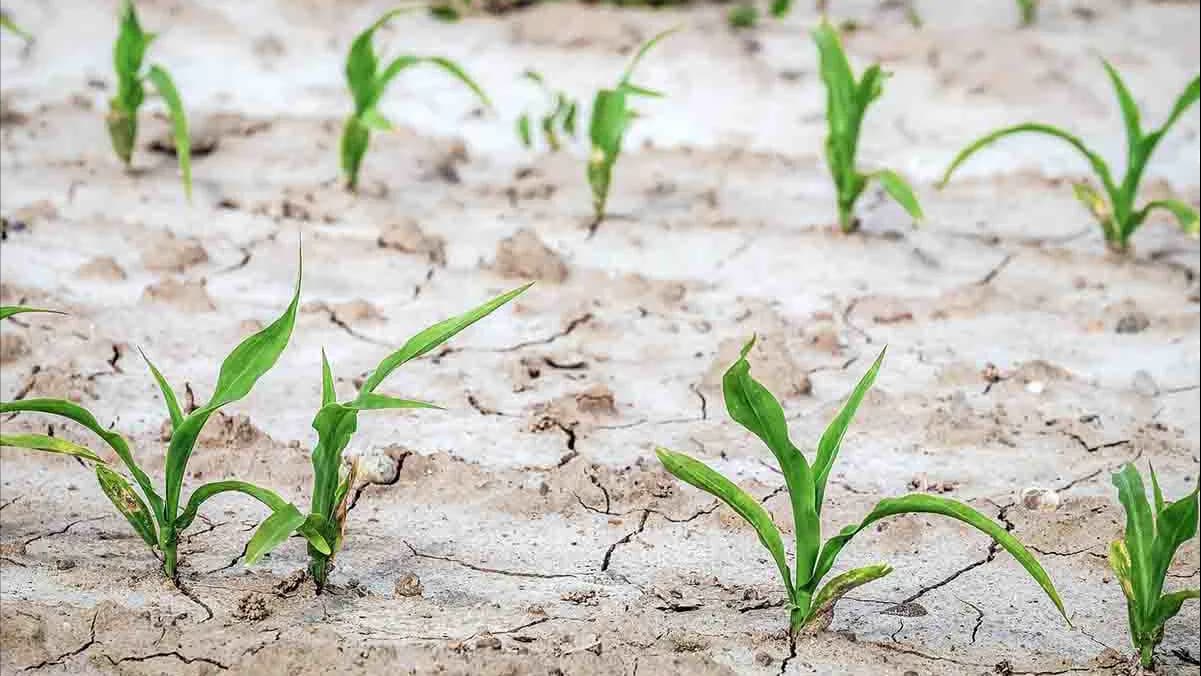
We recently had a great talk about crop stress with Juan Pablo Caballero and Pablo Rubio from Wayne Agro, a company that develops and sells bio-inputs.
Below you'll find a summary and, in case you missed it, the full webinar on this topic, which is so relevant for producers.
What is crop stress?
Stress refers to all the influences that can act on a plant. It shows up in extreme situations where there is visible damage, and also as a halt in the production process; in other words, it affects the harvest and its quality.
Plant stress is a process that can be good or bad, and it falls into 2 types:
- Abiotic (outside the plant's cells), caused by light, temperature, drought, salinity, lack of oxygen in the roots, ozone and herbicides.
- Biotic (inside the plant cell), caused by organisms that bring pests and diseases.
What are ROS?
ROS are reactive free radicals inside cells that appear when stress is prolonged. These free radicals are destructive, and excessive stress causes the stomata (where respiration takes place) to close, to the point that the plant may stop producing.
Plants try to block ROS by using their calcium ions to defend themselves, and they start producing ethylene, which leads to their degradation.
It's very difficult for calcium to return to its place, so we need to help stop that harmful stress.
Calcium loss due to stress leads to plant health and fruit quality problems. Pablo Rubio, Wayne Agro.
How to reduce the impact of crop stress
- By interrupting ethylene production in crops.
- By blocking ROS before they weaken the cell walls.
- By preventing the loss of structural calcium from the cell walls.
You may also like: Regenerative agriculture: what it is and why it matters
Tools to combat plant stress
Technology lets us get ahead and detect stress situations in crops through temperature, humidity and other readings.
There are also anti-stress and stimulant substances that help crops build their defenses:
- Amino acids, peptides, polyamines, betaines.
- Seaweed extract.
- Bacteria, fungi, metabolites.
- Chitosans and derivatives.
- Micronutrients, salicylic acid, jasmonate.
Wayne Agro offers solutions such as:
Tikkun, a product that interrupts ethylene production, blocks ROS and prevents them from taking calcium from the cell walls.
CalFux: a combination of calcium and zinc that penetrates the plant's cells.
RaiSan, a natural compound that stimulates the plant's defenses and strengthens cell structures and metabolism.
Radix, which stimulates root growth and regeneration.
Fulvic acids, photosynthesis stimulants that activate and boost plant metabolism, supporting greater respiration, enzyme activity and protein synthesis.
A free resource on healthy farmers' markets that may interest you.

We recommend watching: Webinar on crop https://my.agrojusto.com.ar/auth/recursos/webinars/641885d3d774550010b3609c stress
Summary
We deal with crop stress every day; the key is detecting it in time so it doesn't cause bigger problems in the fields.
Agriculture can be sustainable, viable and in harmony with the environment.
We hope you found all this information useful, and we look forward to seeing you back here soon for more new and interesting content.