
What is hydroponics?
Verde al Cubo is an academy that offers online courses for people who want to start a hydroponic production project. Hydroponics is a growing technique that uses no soil… We'll tell you more below. What is…
August 16, 2022
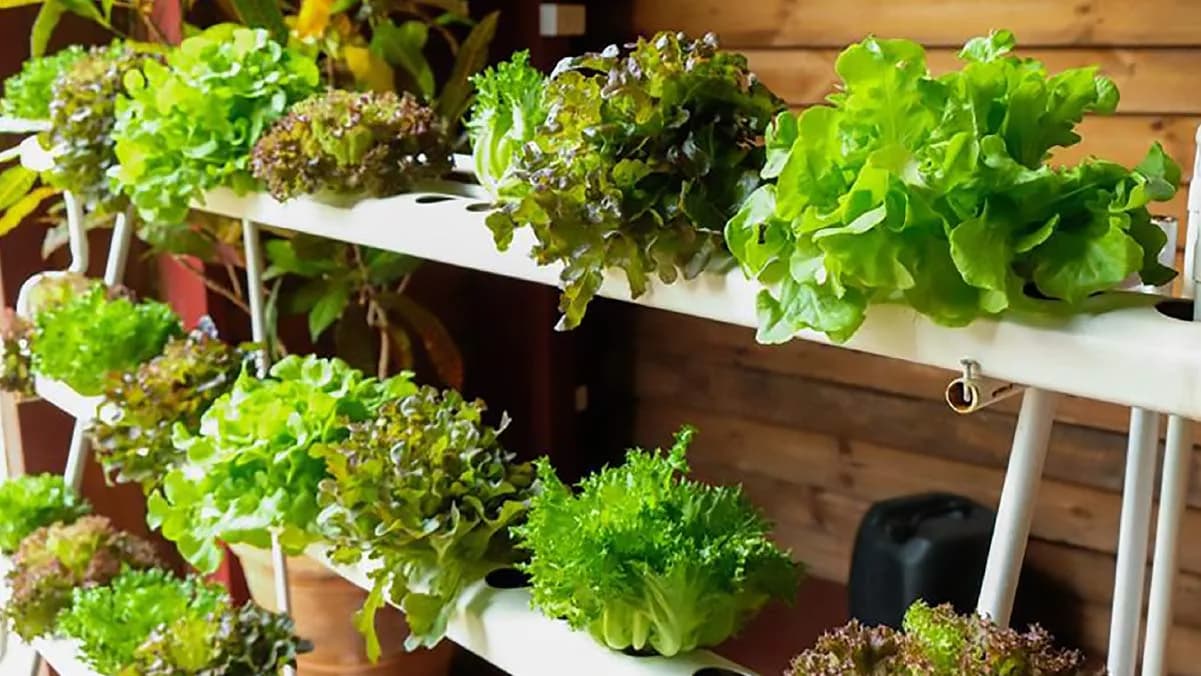
Verde al Cubo is an academy that offers online courses for people who want to start a hydroponic production project. Hydroponics is a growing technique that uses no soil… We'll tell you more below.
What is hydroponics?
Hydroponics is a soilless production technique (soil can be replaced with a substrate) that focuses on nutrition. It uses water with mineral salts.
Different techniques are used depending on the crop. A key point is that water use is reduced because the water constantly recirculates. Almost no water is lost.
A major benefit of this type of production is that it also reduces pests and diseases. It's much healthier.
How to get started with hydroponics
Getting started requires an investment. You need a suitable system, for example channels through which water can flow past the crops. The plants receive macro- and micronutrients to grow healthily and optimally.
How much do you need to invest? It all depends on the crops you want to grow. Based on that, you can choose between different systems.
Before you start, you should do your research and gather information, test systems, learn about pests, and so on. Start small, with just a few plants.
Once we've made up our minds, we need to define the business opportunity: what to grow and who I can sell my produce to. Put together a business plan.
Next, choose the system that suits what you'll produce. Irrigation isn't the only key factor; others include climate control, a greenhouse and the automation of the system itself.
Ideally, gather several quotes and choose the one that best fits your budget.

Benefits of hydroponic crops
- They have more flavor.
- They're ready to sell. They're healthy plants, free of soil, bugs or fungi.
- They need no post-harvest treatment.
- They can be sold with their roots.
- Leaves and skins are shinier and greener.
- Plants grow evenly. The produce has a similar weight.
- Uniform plants.
- They're constantly expanding and are produced all over the world.
Species grown in hydroponic systems
Substrate systems: strawberries, tomatoes, eggplant, bell peppers, cucumbers, watermelon and melon.
Systems without substrate: strawberries, lettuce, celery, herbs, spinach, arugula and chard.
Hydroponics allows producers to sell while reducing costs, backed by a high-tech system that delivers a high-quality product.
We recommend watching: Webinar on hydroponics
Conclusion
Verde al Cubo provided all the information in this article and in the webinar shared above. We encourage you to visit them and get trained in this food production method, so you can offer the world truly healthy, wholesome products.
It's very important to raise awareness of what sets these crops apart: they can reduce their carbon footprint by up to 95%.